

Professional gutter installation protects your home from water damage that can cost thousands in repairs. A properly installed gutter system channels rainwater away from your foundation, walls, and landscaping, preventing costly structural problems. Whether you’re building a new home or replacing old gutters, understanding your options helps you make the right choice for long-term protection.
Many homeowners underestimate how crucial gutters are to their home’s exterior. Without effective rain gutters, water cascades off your roof and pools around your foundation, leading to cracks, basement flooding, and erosion. The right gutter system also protects your siding from water stains and prevents debris buildup that attracts pests.
This guide walks you through everything you need to know about gutter installation and gutter replacement. We’ll cover different materials, styles, and components that make up a complete system. You’ll learn when to tackle a diy gutter installation project and when to call for professional gutter installation services.
Quick tip: Most gutter problems start at the seams and corners. Seamless gutters eliminate these weak points and reduce leaks by up to 90%.
Choosing the Right Gutter System for Your Home
Not all gutters perform the same way. The material you choose affects durability, maintenance needs, and how well your system handles heavy rain. Your roof size and local weather conditions determine which style works best for your house.
Traditional sectional gutters come in pre-cut lengths that connect together during installation. These gutter sections are affordable and easy to replace if damaged. However, the seams between sections create vulnerable spots where leaks develop over time.
Seamless gutters are custom-fabricated on-site to fit your home’s exact measurements. These systems have fewer joints, which means fewer opportunities for leaks and debris to accumulate. Most professional installers recommend seamless options for their superior performance and longer lifespan.
Did you know? A typical home needs one downspout for every 30-40 feet of gutter run. Proper downspout location prevents standing water and ensures adequate drainage.
Types of Gutters: Which Style Is Best for Your Home?
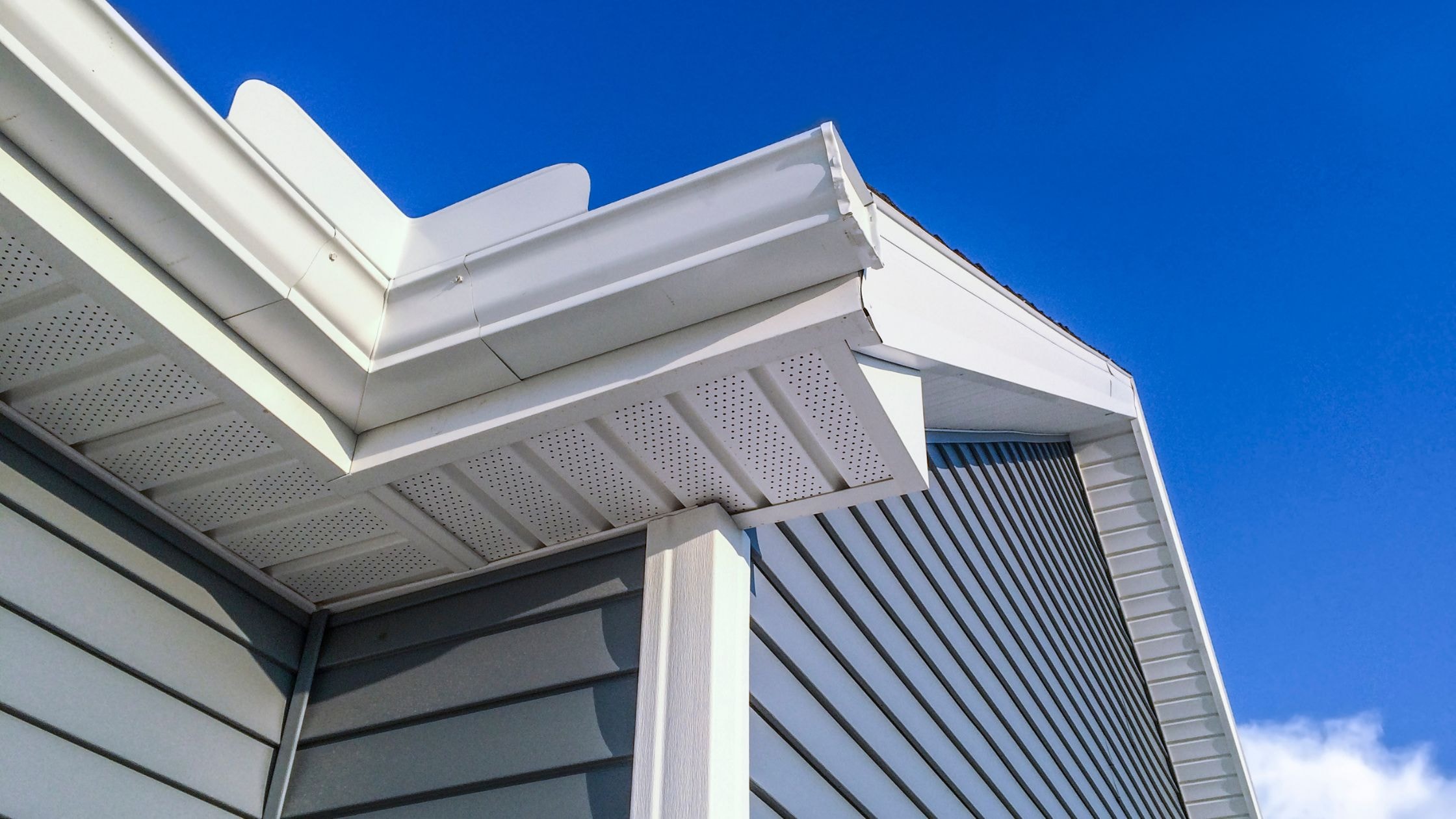
Gutter styles vary in shape, capacity, and visual appeal. K-style gutters are the most popular choice because they hold more water than traditional half-round designs. Box gutters work well on historic homes or buildings with unique architectural features. The profile you select impacts both function and curb appeal.
Half-round gutters suit older homes with period-appropriate styling, while contemporary designs pair well with modern architecture. Your roof area and rainfall patterns should guide this decision as much as aesthetics. K-style gutters feature a decorative front that mimics crown molding, making them attractive while providing excellent water capacity for homes in regions with frequent storms.
Capacity matters when you live in regions with frequent storms. Oversized gutters handle water flow better than standard sizes during heavy downpours. The shape and size of your gutters directly affect how well they protect your foundation and prevent water damage. Some styles work better with specific architectural periods, while others offer purely functional advantages.
Understanding which gutter profile matches your home’s needs prevents costly mistakes. The wrong choice can lead to overflow during storms or an appearance that clashes with your home’s design.
Learn about the pros and cons of each style, including detailed comparisons of capacity, maintenance requirements, and ideal applications in our detailed breakdown: Types of Gutters: Which Style Is Best for Your Home?
Understanding Aluminum Gutters and Other Materials

Aluminum gutters dominate the residential market because they resist rust and work in most climates. They’re lightweight, which makes installation easier and puts less stress on fascia boards. These gutters come in numerous colors to match your home’s exterior and can be painted if you want to change your color scheme later.
Each gutter material offers distinct advantages for different situations. Vinyl gutters cost less upfront but may crack in extreme weather conditions, especially during freeze-thaw cycles. Steel provides strength for homes in areas with heavy snow loads but requires regular maintenance to prevent rust. Zinc offers excellent corrosion resistance and develops an attractive patina similar to copper but at a lower price point.
The material you choose affects both initial investment and long-term upkeep. Some options require minimal care, while others need annual treatments to maintain their appearance and function. Aluminum strikes an excellent balance between affordability, durability, and low maintenance, which explains its popularity among homeowners and contractors.
Consider your budget, climate, and maintenance preferences when selecting materials. Think about how long you plan to stay in your home and whether you prefer materials that age gracefully or maintain their original appearance.
Compare the strengths and limitations of common materials, including detailed cost breakdowns and lifespan expectations here: Vinyl Gutters vs. Seamless Aluminum: What’s the Better Choice?
Copper Gutters: Premium Protection and Timeless Beauty
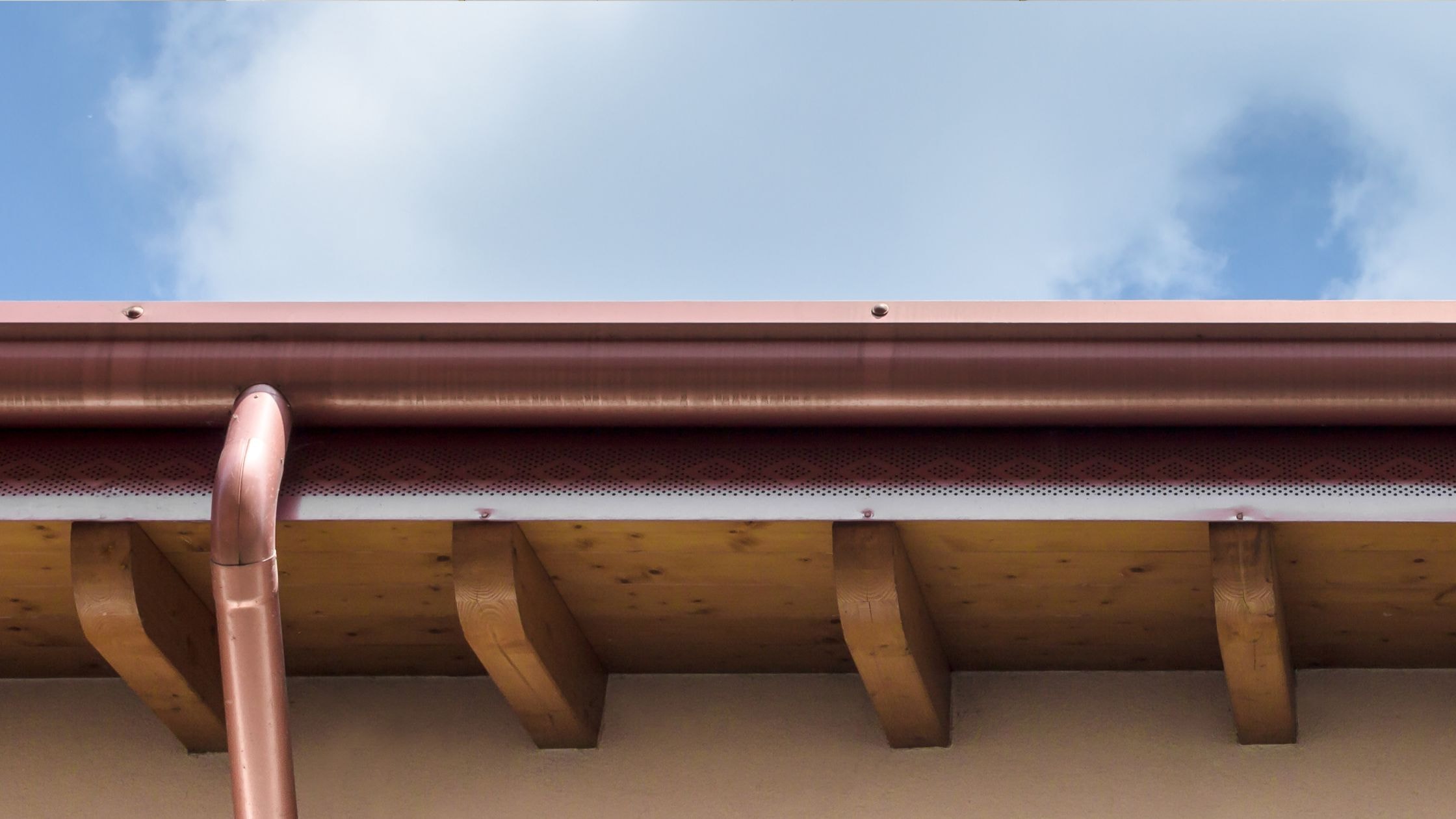
Copper gutters represent the highest quality option for homeowners seeking durability and elegance. This premium material lasts 50-100 years with minimal maintenance, often outliving the homes they protect. Copper develops a distinctive patina over time that many homeowners find appealing, transitioning from bright penny-colored to rich brown and eventually to the iconic blue-green verdigris.
The upfront cost of copper exceeds other materials significantly, often three to five times more per linear foot than aluminum. However, when you factor in the extended lifespan and reduced repairs, the long-term value becomes clear. Copper naturally resists corrosion and handles extreme temperatures without warping or cracking, making it ideal for any climate.
These gutters complement brick, stone, and high-end architectural styles beautifully. Copper adds instant sophistication and can increase your home’s resale value when properly installed. The material is also environmentally friendly and completely recyclable, appealing to homeowners concerned about sustainability.
If you’re investing in premium roofing or siding, copper creates a cohesive, luxurious look that unifies your home’s exterior design. The natural aging process means your gutters will never look outdated or require repainting.
Explore whether this investment makes sense for your home, including maintenance requirements and installation considerations: Copper Gutters: The Most Durable & Beautiful Option for Your Home.
Quick tip: Use stainless steel screws and fasteners with copper gutters. Other metals can cause corrosion where they contact the copper surface.
How Seamless Gutters Prevent Leaks and Water Damage
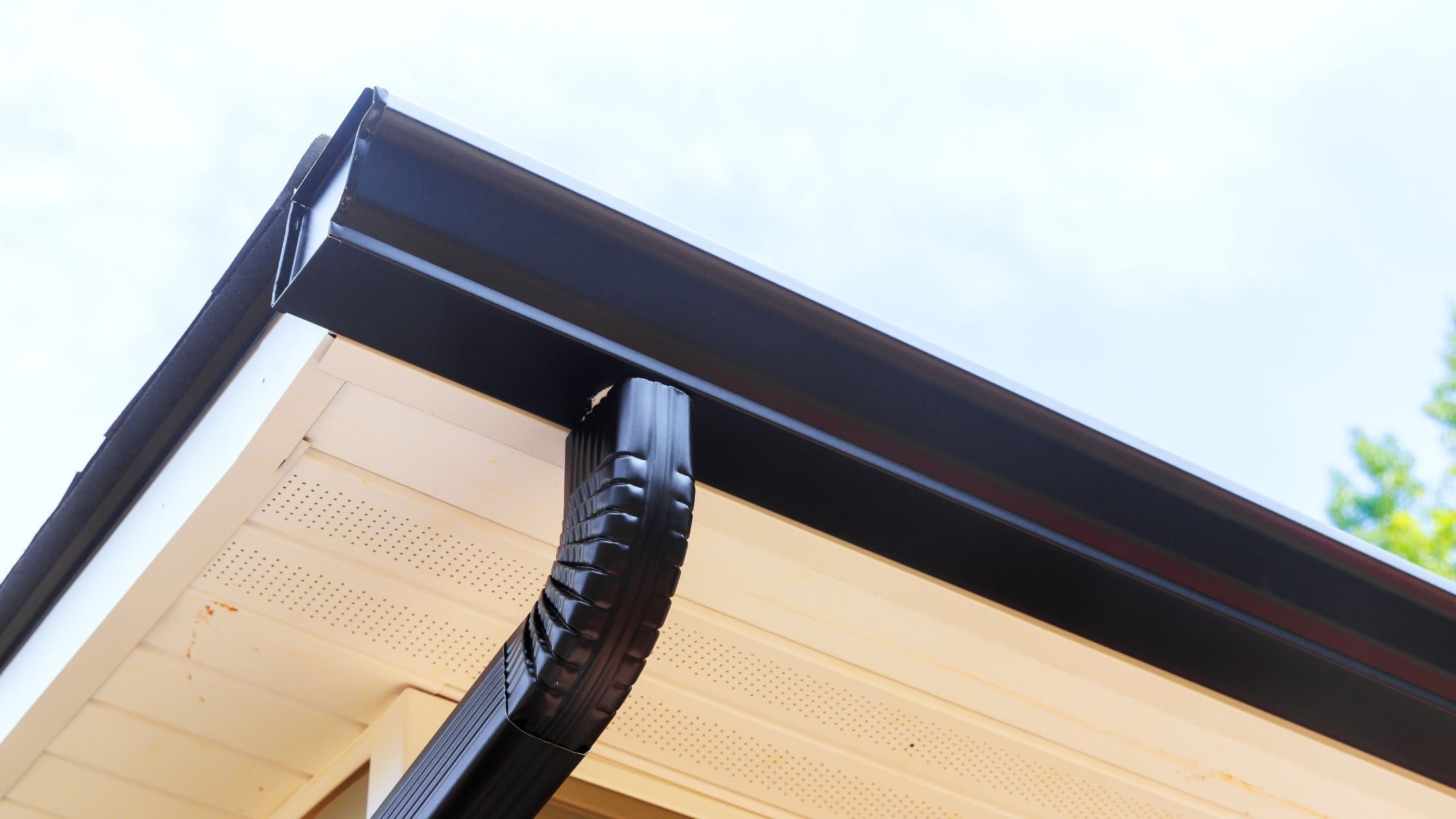
Seamless gutters are formed from a single piece of material that runs the entire length of your roofline. Without multiple seams connecting sectional pieces, there are fewer places for water to escape. This design dramatically reduces the risk of leaks developing over time and eliminates the most common failure point in traditional gutter systems.
Traditional sectional gutters use connectors and sealant at joints, which deteriorate with exposure to sun and rain. Even with careful installation, these connection points eventually fail, typically within 5-10 years. Each seam represents a potential leak that can direct water behind your fascia boards, leading to rot and structural damage. Seamless systems eliminate this weakness entirely, except at corners and downspouts.
The custom fabrication process ensures a perfect fit for your home. Professional installers measure your roofline and create gutters on-site using specialized equipment that forms continuous runs up to 100 feet or more. This precision installation protects your foundation and prevents water damage more effectively than sectional options.
Seamless gutters also offer superior aesthetics with clean lines and no visible joints interrupting the roofline. They require less maintenance because debris doesn’t accumulate at seam connections. While the initial cost runs higher than sectional gutters, the reduction in repairs and longer lifespan make them more economical over time.
Discover the full benefits, including lifespan comparisons and cost analysis: Seamless Gutters: Benefits, Lifespan & Why They’re Worth It.
Install Gutters With Proper Support Using Gutter Hangers
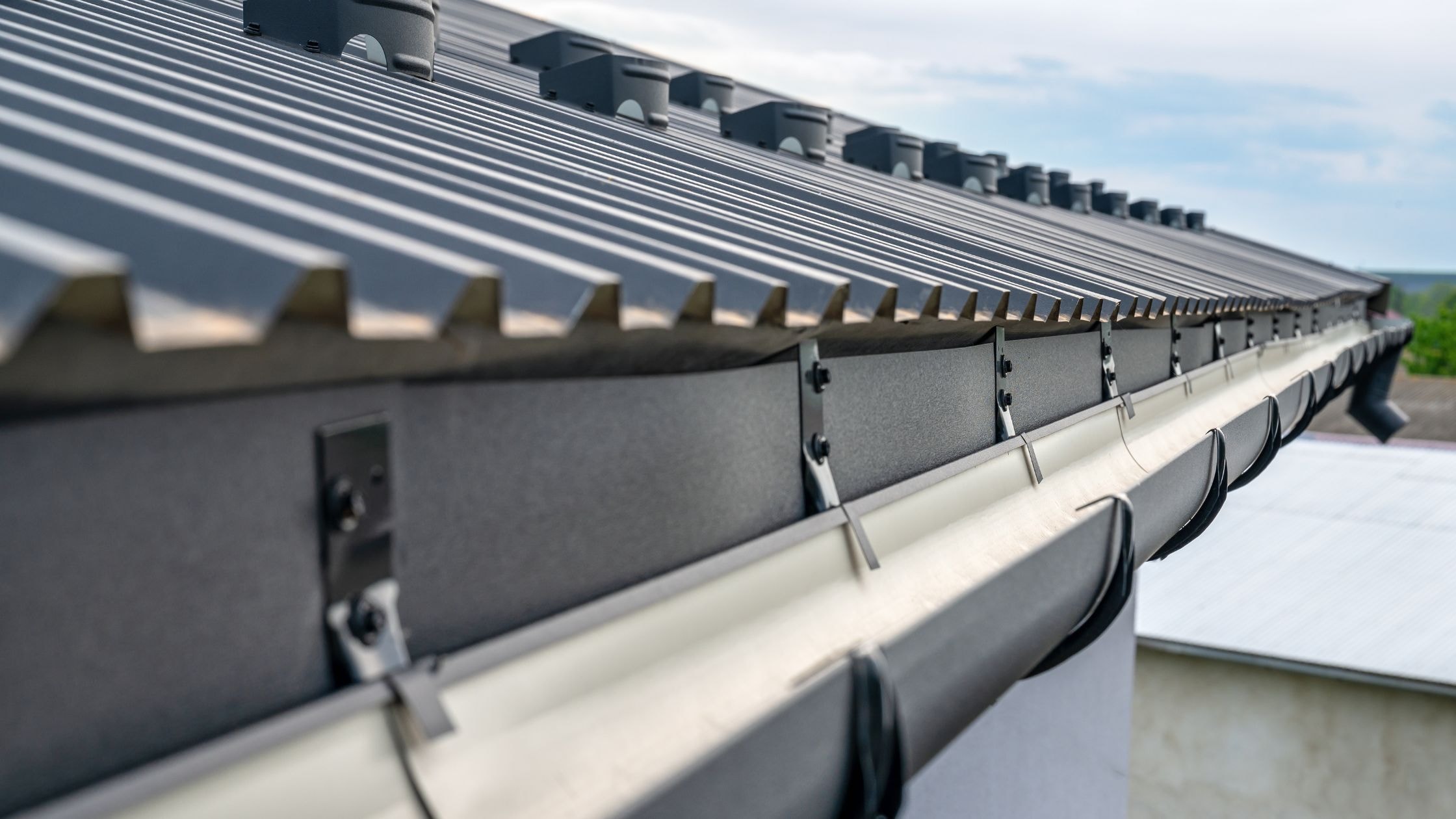
Gutter hangers are the brackets and hardware that secure your system to the fascia. These components bear the weight of the gutters, plus rainwater and any debris that accumulates between cleanings. Without strong hangers properly spaced, gutters sag and pull away from your house, creating gaps that allow water to pour behind the system and damage your walls.
Different hanger styles offer varying levels of support and aesthetic appeal. Hidden hangers attach inside the gutter for a clean appearance that doesn’t interrupt the roofline. Fascia brackets mount on the outside and provide visible support but can handle heavier loads. Spike-and-ferrule systems are older technology that many professionals no longer recommend due to loosening over time.
The spacing between hangers depends on your climate and expected snow load. Most professionals install hangers every 24-36 inches along the gutter run for standard conditions. In areas with heavy snow or ice, closer spacing prevents damage from added weight that can exceed 50 pounds per linear foot during winter storms.
Quality installation hardware, including lag screws or sheet metal screws, ensures your system stays secure through all weather conditions. The hangers must attach to solid fascia boards or directly into rafter tails for adequate support. Cheap or improperly installed hangers are the leading cause of premature gutter failure.
Learn why proper hardware matters and how to identify quality installation: Gutter Hangers: The Unsung Hardware That Keeps Your System Secure.
Gutter Guards Keep Your System Flowing

Gutter guards reduce the frequency of gutter cleaning by preventing leaves and other debris from entering your system. These protective covers allow water flow while blocking twigs, pine needles, and seed pods that would otherwise clog your gutters. Different guard styles work better for specific types of debris common in your area, making selection important for optimal performance.
Mesh and micro-mesh guards filter out even small particles while maintaining proper drainage during heavy rain. Screen-style guards handle larger debris but may require occasional cleaning when fine materials build up on the surface. Reverse-curve designs use surface tension to guide water into the gutter while debris falls to the ground, though they work best with moderate rainfall.
No new gutter protection system eliminates maintenance completely, but quality guards reduce cleaning from several times per year to once annually or less. This protection extends the life of your gutters by preventing standing water and debris buildup that causes premature corrosion. Guards also prevent pest infestations, as mice and insects often nest in clogged gutters filled with organic matter.
Installation quality matters as much as the guard type you choose. Poorly installed guards can trap debris, create ice dams, or void your roof warranty if they attach improperly. Professional installation ensures guards work with your specific roof pitch and gutter style.
Find the right protection for your needs, including detailed comparisons of effectiveness and cost: Types of Gutter Guards: Mesh, Micro-Mesh & More Explained.
Gutter Downspouts: Essential for Proper Drainage
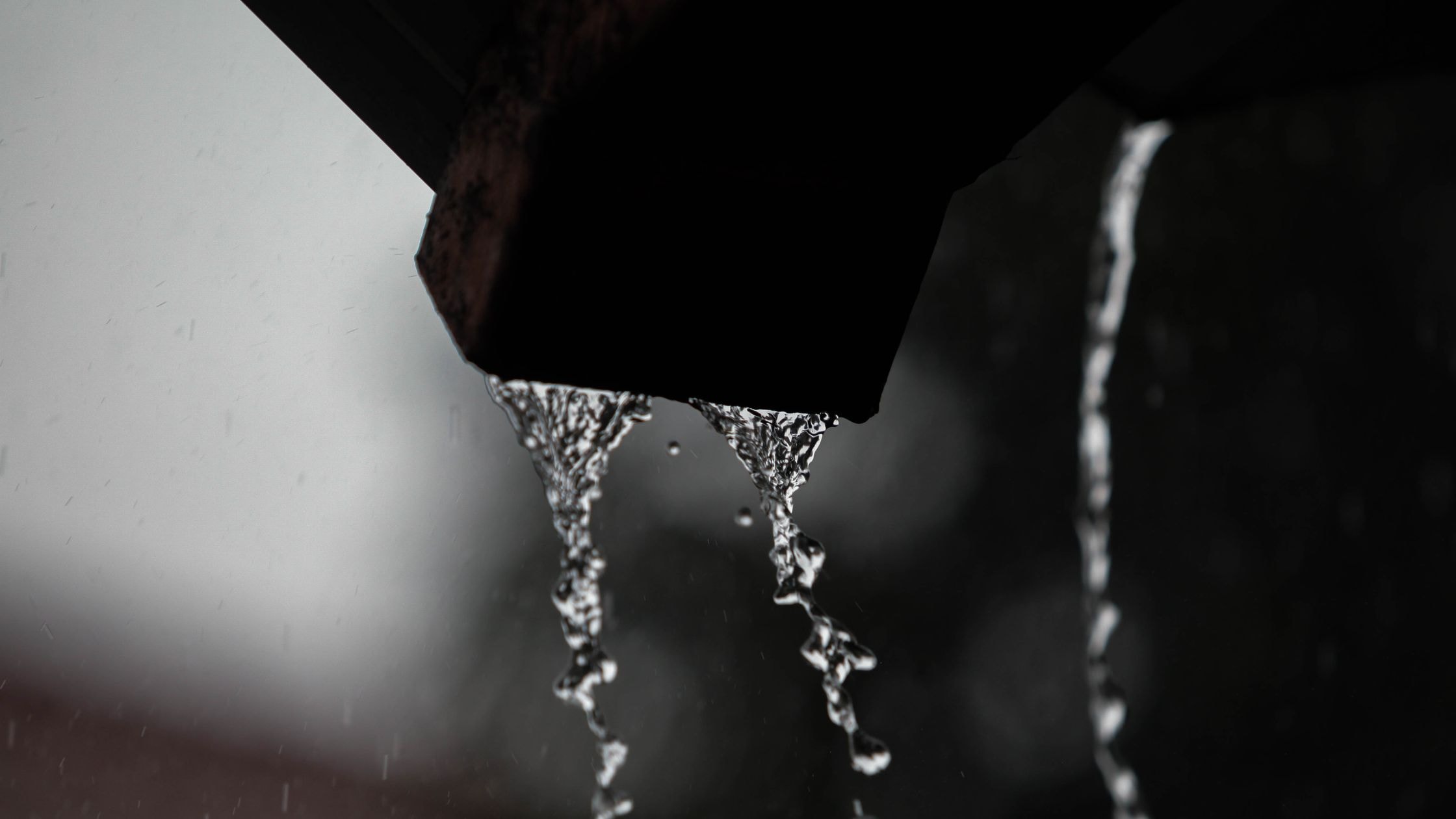
Downspouts carry water from your gutters down to ground level and away from your foundation. Proper downspout location and sizing prevent water from pooling near your home’s walls, which can lead to foundation cracks, basement flooding, and soil erosion. Each downspout should direct water at least 4-6 feet away from the foundation through extensions or underground drainage systems.
The number of downspouts you need depends on your roof’s square footage and local rainfall intensity. Undersized or poorly placed downspouts create bottlenecks that cause gutters to overflow during storms, defeating the entire purpose of having a gutter system. Standard residential downspouts measure 2×3 inches or 3×4 inches, with larger sizes needed for commercial buildings or homes with exceptionally large roof areas.
Downspout placement requires careful planning to avoid interfering with walkways, landscaping, or outdoor living spaces. They should connect to the gutter at the lowest point to ensure complete drainage. Many homeowners overlook the importance of downspout elbows and extensions, which guide water away from vulnerable areas around the foundation.
Extensions, splash blocks, and underground drainage pipes help move water away from vulnerable areas while protecting your landscaping. Strategic placement prevents water from flowing back toward the house or creating muddy spots in your yard. Some local regulations require specific downspout drainage methods to prevent overwhelming municipal storm systems. Without proper downspout planning, even premium gutters fail to protect your home from water damage.
Understand how downspouts complete your system and learn about proper sizing and placement: Gutter Downspouts: How Proper Drainage Protects Your Foundation.
DIY Gutter Installation vs. Professional Services
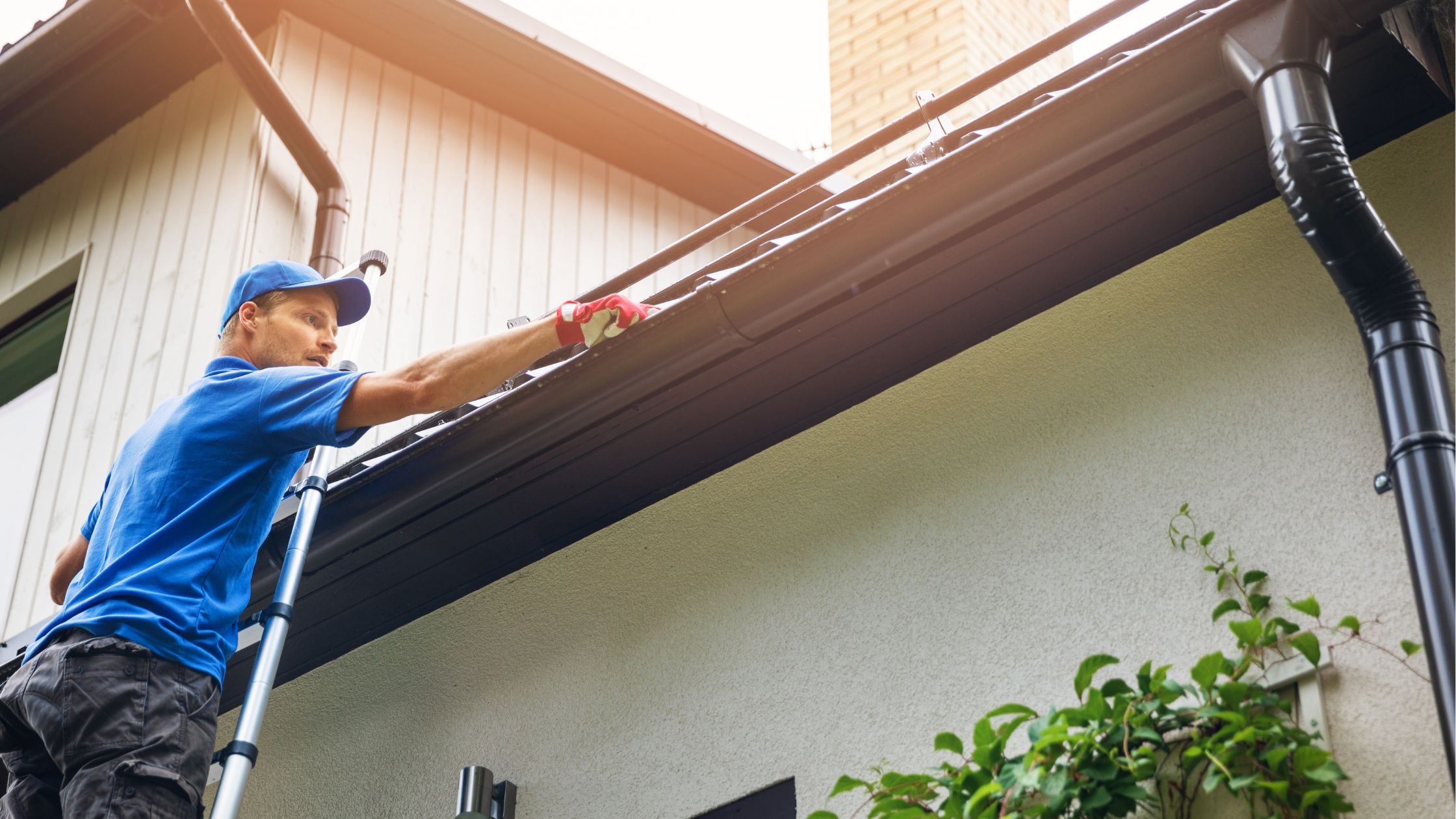
DIY gutter installation appeals to homeowners who want to save money and enjoy hands-on projects. With basic tools like a tape measure, drill, and ladder, installing sectional gutters is possible for skilled DIYers. You’ll need to establish a proper slope using a chalk line to ensure water flows toward downspouts, typically a quarter-inch drop per 10 feet of new gutter run.
However, several factors make professional gutter installation worth considering. Working at roof height carries significant safety risks, especially on multi-story homes. Professionals have the experience to properly pitch gutters, secure fascia brackets, and seal end caps for a leak-free system. They also carry insurance that protects you from liability if accidents occur during installation.
Custom seamless gutter installation requires specialized equipment that creates continuous runs on-site. This machinery costs thousands of dollars and requires training to operate safely. Mistakes during installation lead to water damage that costs far more than hiring professionals from the start. Even small errors in pitch or attachment can cause standing water, premature wear, and system failure.
Key Components: End Caps, Fascia Brackets, and Gutter Sections
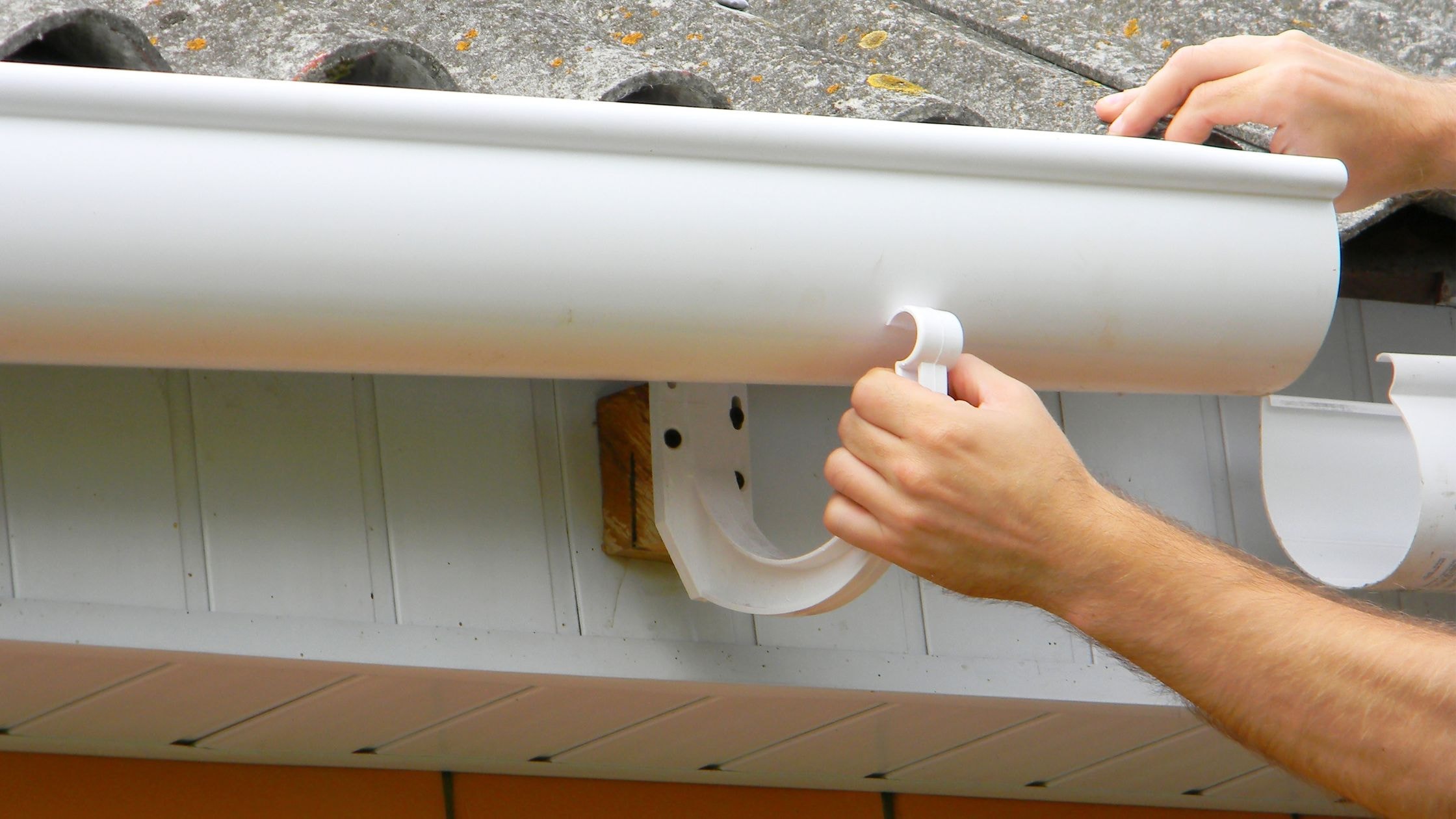
Understanding the parts of a gutter system helps you communicate with installers and make informed decisions. End caps seal the terminal points of new gutter runs to prevent water from spilling out the sides. These caps are either crimped and sealed or welded on seamless systems, creating a watertight barrier that directs all water toward downspouts.
Fascia brackets anchor the system to the vertical board along your roofline. These brackets must attach to solid wood, not just thin fascia material that can pull away under load. Some homes require installation into rafter tails for adequate support, especially in regions with heavy snow that adds substantial weight to the rain gutter system.
The way new gutter sections connect varies between sectional and seamless systems. Sectional installations use strip miter joints at corners, sealed with caulk and sometimes reinforced with pop rivets for added strength. Seamless gutters have corners custom-fabricated and welded for superior strength that eliminates the most common leak points. Each component plays a role in creating a watertight system that protects your home through decades of service.
Dive Deeper Into Professional Gutter Solutions
Protecting your home with a properly designed and installed gutter system prevents foundation damage, preserves your landscaping, and maintains your property’s value. From choosing between materials to understanding how each component works together, informed decisions lead to better long-term results.
Whether you need new gutters for a construction project or gutter replacement for an aging system, professional assistance ensures proper installation that lasts. The right combination of materials, guards, and drainage components creates a system that handles your roof’s water flow in all weather conditions.
Cutting Edge Gutters specializes in complete gutter installation and replacement throughout the Pearisburg, Virginia area. Our experienced team helps homeowners select the perfect system for their needs and budget. Ready to protect your home with professional gutter services? Visit our gutter installation and replacement page to schedule a free consultation and estimate.